
Complete Guide to Small Business Saturday UK 2025
Discover how to support local businesses on Small Business Saturday UK 2025, taking place on December 6th. Learn about participating retailers, ways to maximize savings, and how to drive community economic impact this festive season.
MARKETINGBUSINESS STRATEGY
12/2/202510 min read


Group of happy shoppers celebrating their Small Business Saturday purchases with reusable shopping bags, representing successful community support and sustainable shopping practices that benefit local businesses and the environment
What Is Small Business Saturday UK and Why Does It Matter?
Small Business Saturday UK is a grassroots, non-commercial campaign dedicated to encouraging British consumers to shop locally and support independent businesses in their communities. Held annually on the first Saturday in December, this initiative celebrates the entrepreneurial spirit and economic contribution of small and medium-sized enterprises (SMEs) across the nation.
The campaign was inspired by a successful American initiative founded by American Express in 2010, with the UK version launching in 2013. Since its inception, Small Business Saturday has grown into a powerful movement, encouraging shoppers to prioritize independent retailers, service providers, and artisans over large corporate chains. American Express remains the principal supporter of the UK campaign, reinforcing their commitment to SME growth and community economic resilience.
The importance of Small Business Saturday extends far beyond a single day of shopping. According to research from Small Business Saturday UK, approximately 16% more spending is planned by British consumers this Christmas, with small businesses projected to receive roughly 22% of this holiday expenditure equivalent to a £5.3 billion injection into the economy. This figure underscores how strategic shopping decisions during this 24-hour period can have lasting economic implications for local communities.
The Economic Impact: Real Numbers Behind Community Support
The financial impact of Small Business Saturday is substantial and measurable. In 2017, the campaign generated an estimated £748 million in spending, representing the most successful year to date at that point. More recently, 2020 saw spending exceed £1.1 billion for the first time ever, with 15.4 million people hitting high streets and shopping locally.
What's particularly telling is the shift in consumer spending patterns. Whereas the average per-person spend in 2019 was £45.42, by 2020 this figure had surged to £70.74 a remarkable 56% increase. This trend reflects growing consumer consciousness about where their money goes and a deliberate choice to prioritize community impact over convenience.
Beyond immediate sales figures, the multiplier effect of local spending is significant. Research shows that for every £10 spent locally, £2.26 is recirculated within the local community. Local businesses tend to purchase products from local suppliers, keep workers employed nearby, and reinvest profits into their immediate area creating a virtuous cycle of economic activity that far exceeds what large corporations typically generate.
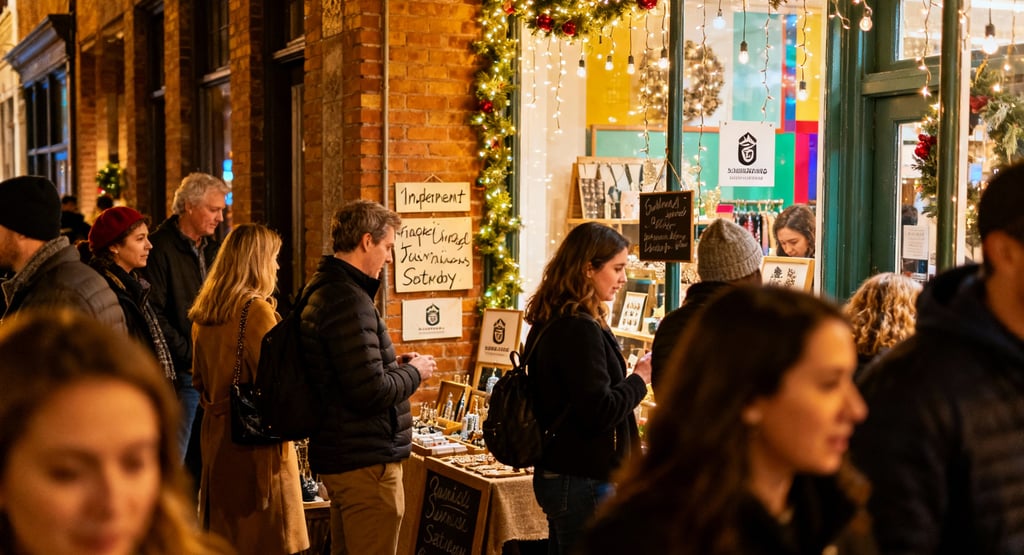
Who Shops Small and Why? Understanding Consumer Behavior
Consumer attitudes toward small business shopping are evolving rapidly, particularly during the festive season. Current research reveals compelling insights into why Britons are increasingly choosing independent retailers and what motivates their purchasing decisions.
Primary Reasons Consumers Choose Small Businesses
According to recent surveys, 52% of customers cite unique, personalized products as their top reason for shopping small. In an era of mass production and standardized offerings, consumers increasingly crave authenticity, individuality, and the personal touch that independent businesses naturally provide. This desire for distinctiveness extends across categories from artisanal gifts to bespoke services.
Beyond product differentiation, community-conscious shopping is a powerful driver. 51% of shoppers want to support their local community and economy, understanding intuitively that their purchasing power directly influences the prosperity of their neighborhoods. This sentiment reflects a broader cultural shift toward conscious consumerism, where purchasing decisions carry moral and civic weight.
Quality and service matter significantly as well. 38% of consumers prioritize independent retailers for superior customer service and product quality, recognizing that smaller businesses often maintain higher standards due to their reputation and personal accountability. Additionally, 42% of shoppers explicitly consider the impact of their spending on individual business owners, viewing their purchases as meaningful support for fellow community members.
Geographical Variations in Shopping Preferences
Interestingly, enthusiasm for shopping small varies considerably across the UK. Brighton leads the nation, with 38% of residents preferring to shop at small businesses—nearly double the national average. This reflects the city's strong community ethos and high concentration of independent enterprises. Conversely, Portsmouth shows lower engagement, with just 7% of consumers preferring small business shopping, though digital channels offer opportunities to reach broader audiences regardless of geography.
The Premium Consumers Are Willing to Pay
One of the most striking findings is consumer willingness to pay premium prices for small business products. Research indicates Britons are willing to spend significantly more for items from independent retailers compared to chain alternatives:
Art and craft items: up to £24.65 extra
Meat from local suppliers: £9.54 additional
Coffee from independent cafes: £6.54 more
Handcrafted greeting cards: £6.07 extra
These figures demonstrate that consumers don't simply shop small for budget reasons—they actively value and pay for the quality, authenticity, and community benefit associated with independent retailers.
Small Business Saturday 2025: Key Dates and Timeline
December 6th, 2025 is marked as Small Business Saturday in the United Kingdom. However, the campaign's influence extends beyond this single day. Many small businesses begin promotional activities weeks in advance, creating an extended selling season leading up to Christmas.
For context, Small Business Saturday operates on different dates internationally, with the United States celebrating on November 29th, 2025 a week earlier. This timing reflects the American calendar, where Small Business Saturday falls on the Saturday after Thanksgiving.
The campaign culminates during the peak Christmas shopping season, positioning it perfectly to capture consumers at a moment when festive spending is at its highest and gift-giving intentions are strongest.


How Small Business Owners Can Maximize Small Business Saturday 2025
For entrepreneurs and small business owners, Small Business Saturday represents a critical commercial opportunity. The combination of increased consumer interest, media attention, and shopping intent creates favorable conditions for significant revenue generation if properly leveraged.
Strategy 1: Plan Special Events and Experiences
Rather than treating Small Business Saturday as a routine trading day, forward-thinking business owners should plan memorable experiences that justify customer visits and encourage social sharing. Consider these event-based approaches:
In-store entertainment and hospitality can transform your retail space into a destination rather than merely a transactional venue. Offering complimentary refreshments whether hot mulled wine, coffee, or light snacks creates an inviting atmosphere that encourages lingering and additional purchases. Live music, product demonstrations, or interactive displays engage customers on a deeper level and generate social media content.
Limited-time special offers and discounts create urgency and drive immediate purchasing decisions. A 20% discount on all products, exclusive bundles, or category-specific promotions ensure customers perceive genuine value. The key is promoting these offers extensively across email, social media, and in-store signage weeks in advance.
Loyalty program launches or double-points days reward repeat customers while encouraging new trial. Offering double loyalty points on Small Business Saturday purchases incentivizes customers to consolidate their shopping and increases transaction value.
Strategy 2: Strategic Stock Management and Cash Flow Planning
Consumer confidence in your ability to fulfill their wishes depends on product availability. Small business owners should analyze historical sales data to anticipate demand and ensure adequate inventory.
Review sales from previous years to identify bestsellers, high-margin products, and peak selling times. This data-driven approach prevents both stock-outs (missed sales opportunities) and overstock situations (tied-up cash and storage costs).
Order sufficient inventory well in advance to account for production lead times, especially for manufactured goods or items requiring customization. The Christmas shopping season is unforgiving stock outs on Small Business Saturday effectively transfer sales to competitors.
Understand your cash flow position before committing to large inventory purchases. Ensure you have sufficient working capital to invest in stock without compromising operational expenses or employee wages.
Strategy 3: Leverage Digital Marketing and Social Proof
In today's digital-first environment, small businesses that master online marketing capture significantly more sales than those relying purely on foot traffic.
Email marketing remains one of the highest ROI marketing channels for small businesses. Segment your customer database and send targeted messages promoting your Small Business Saturday offers, special events, and new products. Personalized recommendations and exclusive early-access deals drive engagement and sales.
Social media campaigns should emphasize authentic storytelling over hard-selling. Share behind-the-scenes content showing your team, sourcing practices, and product creation. Run festive competitions encouraging customers to tag your business in their photos using your products. This user-generated content provides authentic social proof while expanding your organic reach.
Website pop-ups and banners alert visitors to your Small Business Saturday campaign, special offers, and limited-time deals. Promote exclusive discounts, holiday specials, or limited inventory to create urgency.
Hashtag strategy amplifies your reach significantly. Use #SmallBSatUK to connect with the broader Small Business Saturday community, and create branded hashtags like #[YourBusinessName]Christmaso track customer engagement.
Strategy 4: Optimize Payment Methods and Customer Experience
A seamless checkout experience directly impacts conversion rates and customer satisfaction. Ensure you accept diverse payment methods reflecting modern consumer preferences.
Debit cards remain the payment leader for in-store purchases, accounting for 44% of transaction value. However, over 93% of transactions under £100 are made contactless, making digital payment options essential. Digital wallets and flexible options like buy-now-pay-later are increasingly popular, particularly among younger consumers.
Simplifying transactions removes friction, particularly during busy trading periods when queues form and patience wanes.
Strategy 5: Offer Gift Cards and Personalized Options
Gift cards solve a common customer dilemma uncertainty about recipient preferences while guaranteeing sales and future return visits. Promote gift cards prominently across your marketing channels and in-store displays.
Personalized products and services add value and justify premium pricing. Customization options whether monogrammed items, tailored services, or bespoke experiences differentiate your offering and appeal to customers seeking unique gifts.
How Consumers Can Support Small Businesses This Small Business Saturday
For shoppers, Small Business Saturday offers a meaningful way to align purchasing decisions with values while often discovering superior products and experiences.
Finding and Supporting Local Small Businesses
Explore local business directories and online platforms to identify independent retailers in your area. Check websites, social media pages, and online marketplaces to understand their offerings, hours, and any Special Business Saturday promotions.
Use the American Express Shop Small map and relevant hashtags like #SmallBusinessSaturday discover participating businesses online.
Substitute one item per shopping trip with a locally-sourced alternative, starting small and building the habit. For example, purchase meat from a local butcher instead of a supermarket, or select vegetables from an independent produce shop.
Maximizing the Economic and Environmental Impact
Make substitutions strategically to maximize community benefit. Choose products with shorter supply chains local or British-made items generate more economic benefit per purchase than internationally sourced alternatives.
Walk, cycle, or use public transport to reach local shops when possible. This approach reduces your carbon footprint while supporting local retailers through foot traffic.
Leave positive reviews on Google, Trustpilot, and industry-specific platforms. Authentic reviews build credibility, improve search rankings, and encourage other shoppers to visit.
Share on social media using relevant hashtags and tagging the business. This organic amplification costs shoppers nothing while generating valuable marketing exposure for the business.
The Broader Impact: Community, Environmental, and Economic Benefits
Shopping small extends benefits far beyond immediate transactions, creating positive ripple effects throughout communities.
Economic Multiplier Effects
When you spend £10 locally, £2.26 recirculates within your community. Local businesses reinvest profits locally, hire local workers, and purchase from local suppliers creating a multiplier effect absent in chain retail models. Research indicates that local businesses generate 3.5 times more economic benefit for communities compared to chain stores.
Employment and Skills Development
Local retailers typically create employment opportunities within their communities. These businesses purchase more from local producers, keeping farmers, manufacturers, and service providers in business and supporting local employment. Small businesses often provide apprenticeships and skills training, developing the next generation of entrepreneurs.
Environmental Sustainability
Shopping locally reduces environmental impact substantially. Products travel shorter distances, reducing CO2 emissions from transportation with food transportation alone contributing 3.9% of UK CO2 output. Local shopping encourages walking, cycling, or public transport usage, reducing traffic congestion and air pollution.
Local businesses often adopt sustainable practices more readily than large corporations, emphasizing waste reduction, reuse, and environmentally-friendly sourcing.
Community Resilience and Social Connection
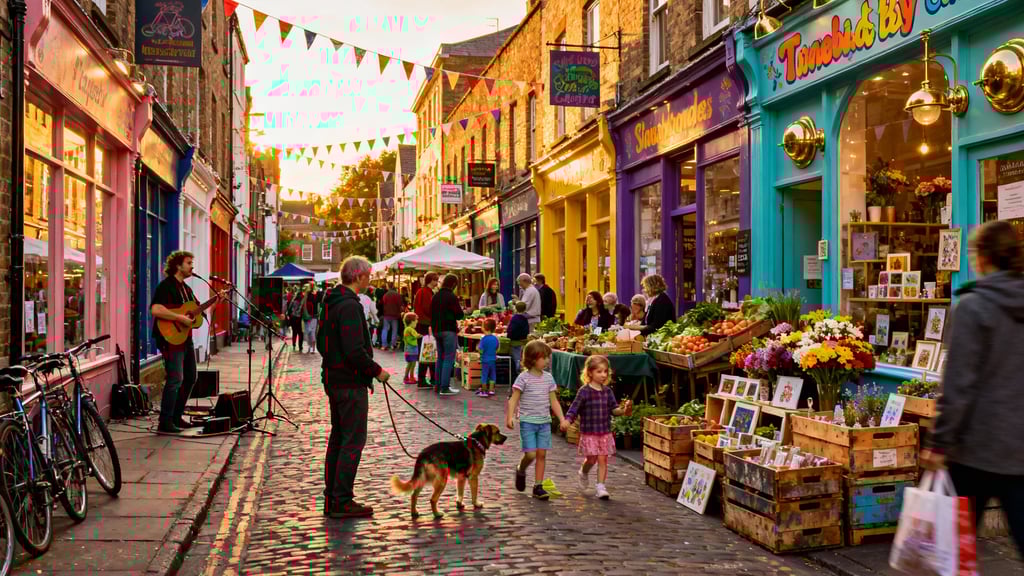
Independent retailers bring personality and character to high streets, fostering real community connections rather than transactional relationships. These businesses adapt quickly to community needs, participate in local causes, and reinvest in neighborhood prosperity.
This social fabric strengthens community resilience, helping neighborhoods weather economic shocks and maintain identity and culture against homogenization.
FAQ: Your Small Business Saturday Questions Answered
Q: When exactly is Small Business Saturday UK 2025?
A: Small Business Saturday UK 2025 takes place on Saturday, December 6th, 2025. It's held on the first Saturday of December each year.
Q: What types of businesses participate in Small Business Saturday UK?
A: While independent retailers typically gain the most visibility, Small Business Saturday welcomes all SMEs, including service providers, consultants, hospitality businesses, artisans, and suppliers. The campaign aims to promote spending across the entire small business spectrum.
Q: Can I shop for Small Business Saturday online?
A: Absolutely. Small Business Saturday isn't limited to physical retail. Many small businesses operate online-only or hybrid models. The campaign encourages shopping with local and independent businesses through any channel.
Q: How can I find businesses participating in Small Business Saturday?
A: Visit smallbusinesssaturdayuk.com, explore the American Express Shop Small map, or search social media using #SmallBizSatUK or #SmallBusinessSaturday. Most participating businesses display Small Business Saturday logos on websites and physical storefronts.
Q: What's the difference between Small Business Saturday in the UK and the US?
A: The US celebrates Small Business Saturday on November 29th, 2025 (the Saturday after Thanksgiving), whereas the UK observes it on the first Saturday in December. The core mission supporting local, independent businesses remains identical.
Q: Can large businesses participate in Small Business Saturday?
A: Small Business Saturday focuses on genuinely small and independent enterprises. Large corporations are excluded from core campaign participation, though they may support the initiative broadly.
Q: What percentage of Christmas spending goes to small businesses?
A: Recent research indicates that small businesses are projected to receive approximately 22% of holiday spending, equivalent to a £5.3 billion injection into the economy during the 2025 festive season.
Q: Why should I shop small if prices are sometimes higher?
A: Higher prices at small businesses often reflect superior quality, ethical sourcing, fair wages, and unique offerings unavailable elsewhere. Research shows consumers are willing to pay premiums (up to £24.65 for art items) for these benefits. Additionally, your spending directly supports your community rather than distant corporate headquarters.
Q: How does shopping small help the environment?
A: Local shopping reduces transportation emissions, encourages walking/cycling instead of driving, minimizes packaging, and supports businesses that often prioritize sustainable practices.
Conclusion: Making Your Mark This Small Business Saturday
Small Business Saturday UK 2025 represents far more than a single day of shopping it's an opportunity to reshape economic patterns, strengthen community bonds, and make purchasing decisions aligned with your values. For small business owners, December 6th offers a platform to showcase offerings, drive revenue, and connect with customers on a meaningful level. For consumers, shopping small delivers superior products, authentic experiences, and the tangible satisfaction of supporting neighbors and local entrepreneurs.
With £5.3 billion projected to flow to UK small businesses during the 2025 festive season and 81% of consumers considering small business shopping, the momentum is undeniably behind independent retailers. Whether you're planning a Small Business Saturday event, strategizing marketing campaigns, or simply deciding where to spend your Christmas budget, remember that small decisions compound into significant community impact.
The question isn't whether to participate in Small Business Saturday it's how you'll make your participation count. Start planning now. Identify businesses you want to support, craft your marketing messages, stock your shelves, and prepare to deliver exceptional experiences. December 6th awaits, and your community is counting on you.
About the author
Rudra Prakash Parida is a Financial Professional with an MBA in Business Administration and ACCA qualifications. He specialises in corporate tax planning, SME finance optimisation, and marketing analytics for growth-stage businesses. Through Growth Analytics Hub, he helps UK entrepreneurs and business owners unlock tax efficiency strategies and build data-driven growth systems.
Contact
Reach out for insights and support
Phone
+447768010239
© 2025. All rights reserved.