

Self Assessment Tax Return Deadline UK 2025: 7 Essential Steps to Avoid £1,600 in Penalties
Avoid £100 penalties instantly. Complete your Self Assessment by 31 January 2026. Master UK tax deadlines, penalties & filing tips. Expert checklist included.
FINANCE
Rudra Prakash Parida
12/24/202510 min read
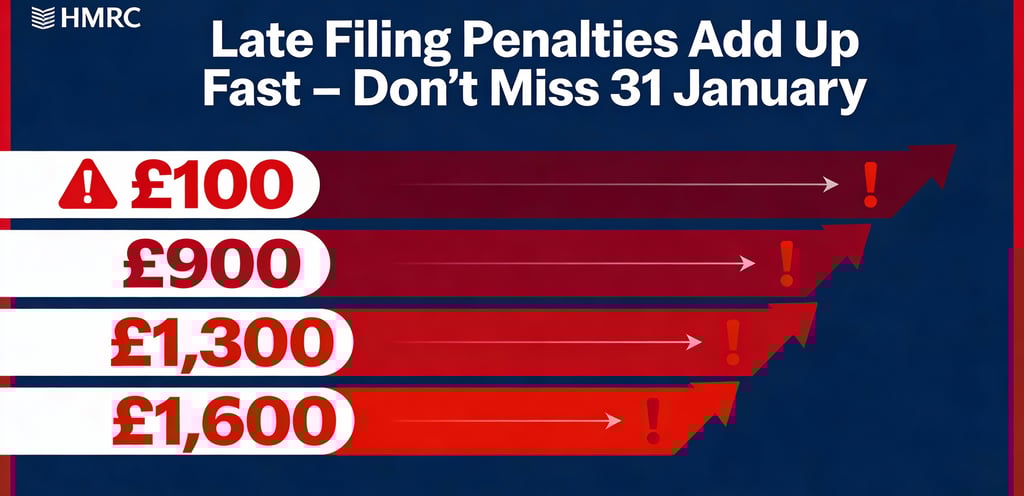
Table of Contents
What is Self Assessment?
2025 Self Assessment Deadlines at a Glance
Why Missing the Deadline Is Expensive
Who Must File a Tax Return Step-by-Step: How to File Online
Common Mistakes That Cost Thousands
What Happens If You Miss the Deadline
Making Tax Digital: What's Changing in 2026
FAQ: Your Deadline Questions Answered
Introduction: Don't Let Your Tax Deadline Slip Away
The Self Assessment tax deadline looms every January 31st but most people don't realize they're just 32 days away from a £100 automatic penalty, even if they owe nothing in tax.
Over 1.1 million UK taxpayers miss the Self Assessment deadline annually, racking up over £100 million in unnecessary penalties. The worst part? These penalties apply regardless of whether you owe tax or not.
If you're self-employed, run a side business, own rental property, or earn investment income, this deadline affects you directly.
This guide cuts through the confusion and shows you exactly what you need to do and when to stay compliant with HMRC while avoiding expensive late-filing penalties.
What is Self Assessment? Why You Need to Know
Self Assessment is HMRC's system for collecting income tax from individuals who earn income that isn't taxed automatically through their employer (PAYE).
Instead of your employer deducting tax as you earn, you calculate what you owe and pay it directly to HMRC by submitting a tax return.
Key difference: With PAYE employment, tax is deducted automatically. With Self Assessment, you're responsible for reporting your income and paying the bill.
If you fall into this category, failing to file costs real money—fast. Let's look at the exact deadlines you need to hit.
2025 Self Assessment Deadlines at a Glance
For the 2024/25 tax year (6 April 2024 – 5 April 2025):
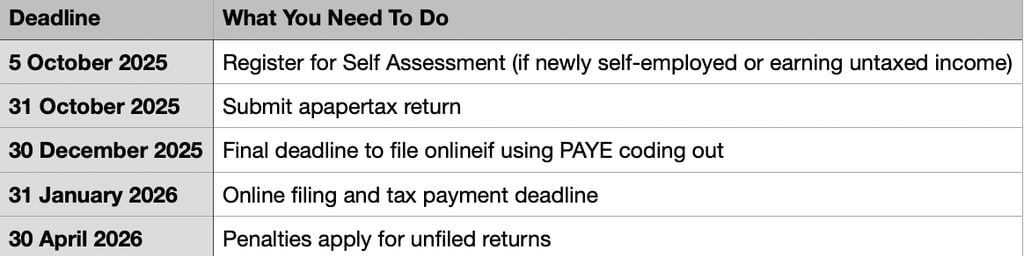
Why online filing matters: Choosing to file online gives you three extra months compared to paper filing (31 October vs. 31 January). This extra time is crucial if you're gathering documents or correcting errors.
The Hidden Cost of Missing Your Deadline
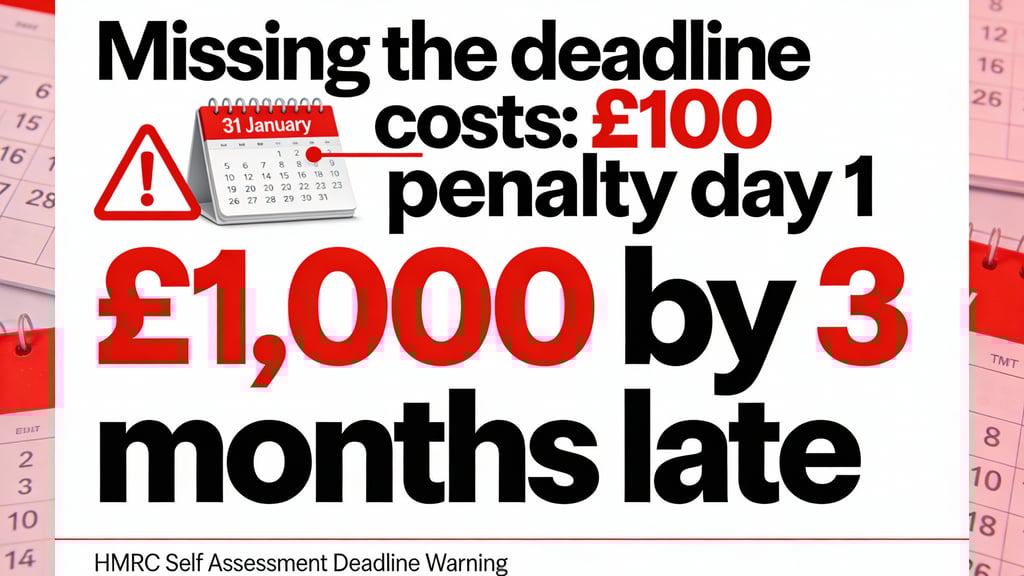
Here's what happens when you miss the 31 January 2026 deadline and it's brutal:
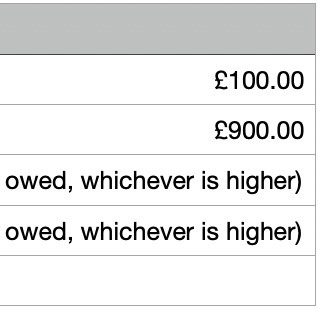
Late Filing Penalties
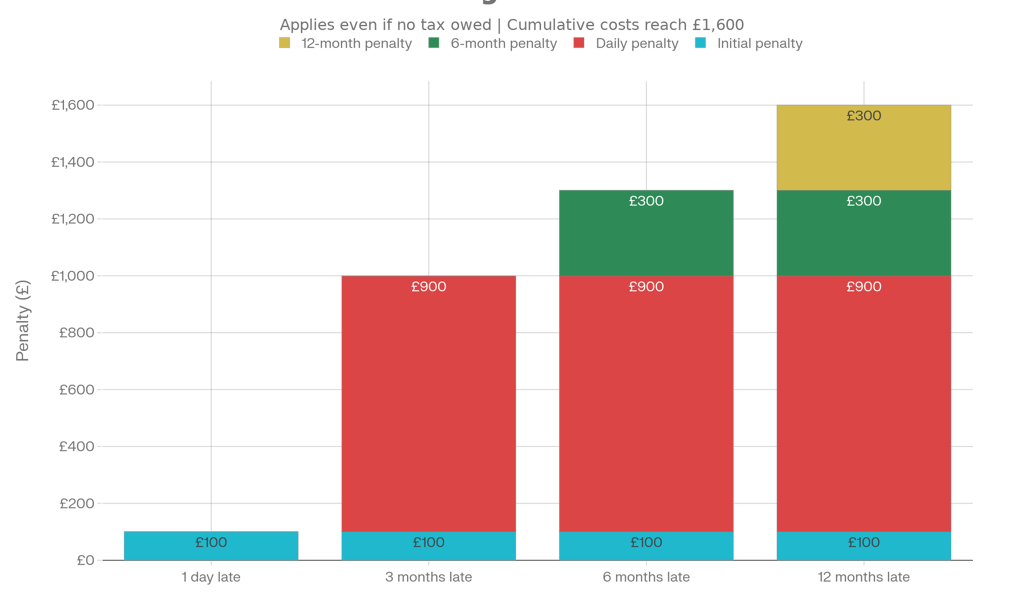
On day 1 (1 Feb 2026): £100 automatic penalty even if you owe zero tax
After 3 months (30 April 2026): Add £10 per day for up to 90 days = £900 additional
After 6 months (31 July 2026): Add £300 or 5% of tax owed (whichever is higher)
After 12 months (31 January 2027): Add another £300 or 5% of tax owed (whichever is higher)
Total maximum penalty: Up to £1,600, plus daily interest on unpaid tax
Real-World Example
Sarah is a freelance designer. She's so busy with client work that she forgets about her tax return until March 2026 47 days late.
Filing penalty: £100 fixed + (£10 × 45 days) = £550
She owes £3,000 in tax
Late payment penalty at 30 days: 5% × £3,000 = £150
Interest accrues daily on the unpaid £3,000
Sarah's total bill: £3,000 + £550 + £150 = £3,700 an extra 23% on top of what she owed.
Who Must File a Self Assessment Tax Return?
Not everyone needs to file. But if you fall into any of these categories, the deadline applies to you:
Do You Need to File a Self Assessment Tax Return? Quick Reference Guide
You MUST file if:
You're self-employed and earned more than £1,000 profit
You have rental income from property (any amount)
You earned £100,000 or more from employment
You earned dividends over £2,000
You have foreign income or work abroad
You have multiple jobs where tax wasn't properly deducted
You received a UK pension (non-state pension)
You DON'T need to file (usually) if:
You're a basic rate PAYE employee earning under £100,000 with no other income
All your income is taxed automatically, and you don't have untaxed income
Not sure? HMRC's online checker confirms whether you need to file in seconds.
How to File Your Self Assessment Online: 5-Step Process
Filing online is faster, more secure, and gives you 3 extra months. Here's exactly what to do:
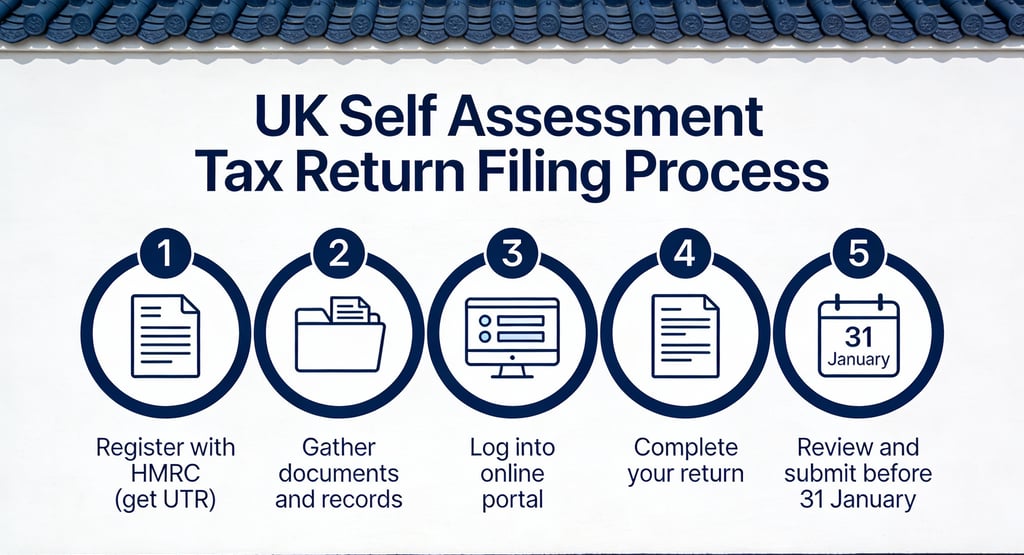
Step 1: Register for Self Assessment (if you haven't already)
If you're newly self-employed or this is your first year with untaxed income, you must register by 5 October after the end of the tax year.
How:
Provide your details and business information
Get your 10-digit Unique Taxpayer Reference (UTR) by post within 10 working days
Set up a Government Gateway account with your activation code
Without this, you cannot file online.
Step 2: Gather Your Documents
Don't start filing until you have everything. This takes the longest but saves hours later.
You'll need:
Your UTR (from registration)
Your National Insurance number
Income records from all sources (invoices, P60 if employed, dividend statements)
Expense receipts and business mileage logs (if self-employed)
Proof of deductions (pension contributions, charitable donations)
Property records (rental income, mortgage interest, maintenance costs)
Bank statements (to verify income and expenses)
Pro tip: Keep these organized digitally in a folder named by tax year (e.g., "2024-25 Tax Year"). You won't need to submit them to HMRC initially, but you must keep them for 6 years.
Step 3: Log Into HMRC's Online Portal
Visit the HMRC Self Assessment page and sign in with your Government Gateway ID.
First time? You'll need to prove your identity with a UK passport or driving licence.
Step 4: Complete Your Tax Return Form
The main form is the SA100. You'll only fill in sections that apply to you.
Additional forms you might need:
SA103 for self-employment details
SA105 for rental income
SA108 for capital gains
SA106 for foreign income
HMRC will guide you through which sections apply based on your income type.
Key things to report:
All income from every source (business profits, wages, dividends, rental income)
Allowable business expenses and deductions
Pension contributions (for tax relief)
Charitable donations (for Gift Aid)
Step 5: Review, Correct, and Submit
Before submitting, double-check everything. Errors can trigger an HMRC inquiry.
Do all income figures match your records?
Are deductions legitimate and supported by receipts?
Is your personal information correct?
Have you claimed all applicable reliefs?
Once you submit, HMRC will calculate your tax bill and confirm receipt instantly.
Payment is due by 31 January 2026. Don't wait until the last day—payment can take up to 7 working days to process.
5 Costly Mistakes People Make (And How to Avoid Them)
Mistake 1: Filing at the Last Minute
Why it fails: Technical crashes happen on 31 January. HMRC's servers become congested as millions file simultaneously. You miss the midnight deadline by just 2 minutes and face a £100 penalty.
Fix: Aim to submit by mid-January at the latest. This gives you breathing room for unexpected issues.
Mistake 2: Forgetting to Report All Income
Why it fails: You might have income HMRC knows about from different sources (bank interest, dividend statements from your broker). When your return doesn't match, HMRC issues a notice of assessment and may penalize you for under-reporting.
Fix: Go through every bank statement and investment account from April 2024 to April 2025. List every income source even small amounts. Don't assume "it's too small to report."
Mistake 3: Over-Claiming Deductions
Why it fails: You can't claim personal expenses as business costs. Claiming 100% of your home office when you only work there part-time, or deducting your car commute when you should only claim business mileage, triggers HMRC audits.
Fix: Only claim genuinely allowable expenses with receipts to back them up. Use HMRC's expenses guide to confirm what's deductible.
Mistake 4: Not Keeping Records
Why it fails: HMRC can ask for supporting documents up to 6 years after filing. If you can't prove your expenses or income, you'll pay back the tax you deducted—plus penalties.
Fix: Keep all receipts, invoices, bank statements, and records for 6 years minimum. Digital scans work fine.
Mistake 5: Ignoring Payments on Account
Why it fails: After your first tax year, HMRC may demand "Payments on Account"—advance payments toward next year's bill, due 31 January and 31 July. Missing these triggers separate late payment penalties.
Fix: Budget for these payments. Each is usually 50% of your previous year's bill. If your income drops significantly, contact HMRC to reduce them.
What Happens If You Miss the Deadline?
31 January 2026 passes. You haven't filed yet.
Timeline of Penalties and Consequences

Interest Accrues Daily
On top of penalties, HMRC charges daily interest on any unpaid tax from the original due date (31 January 2026). Current rates are around 7.25% annually, compounding.
Can You Appeal?
Yes but only if you have a "reasonable excuse."
Reasonable excuses include:
Serious illness
Death in the family
Unforeseeable circumstances beyond your control
Being given wrong advice by a professional (e.g., accountant)
NOT reasonable excuses:
"I forgot"
"I was too busy"
"I didn't understand"
Appeals must be submitted within 30 days of the penalty notice.
The Future: Making Tax Digital (MTD) Starting April 2026
Self Assessment is changing. From April 2026, the traditional annual tax return will gradually disappear.
What's happening:
April 2026: Sole traders and landlords earning over £50,000 annually must use Making Tax Digital–compatible software
April 2027: Threshold drops to £30,000
April 2028: Threshold drops to £20,000
Instead of one annual Self Assessment return, you'll submit quarterly digital updates plus a final declaration.
What this means:
You'll need compatible accounting software (Xero, FreshBooks, Wave, etc.)
Your records must be in digital format
You'll report income/expenses every quarter instead of once yearly
The annual deadline system essentially disappears
For 2024/25 and 2025/26: The traditional January 31st deadline still applies. But start preparing now if you're affected.
FAQ: Your Self Assessment Deadline Questions Answered
Q: What if I owe no tax do I still need to file?
A: If HMRC requires you to file (based on your income type), yes you must submit a return. However, you may not owe any income tax. That said, missing the filing deadline still incurs the £100 penalty even if your tax bill is zero. So file regardless.
Q: Can I file late if I have a good reason?
A: You can appeal a penalty, but only for specific "reasonable excuses" (illness, bereavement, professional error). Procrastination and being busy don't count. File on time to avoid the question entirely.
Q: What's the difference between the paper deadline (31 Oct) and online deadline (31 Jan)?
A: Paper returns are due 31 October. Online returns are due 31 January three extra months. File online if possible for the extension and instant confirmation of receipt.
Q: Can I file my return in advance (before April the tax year ends)?
A: No. The tax year must end (5 April) before you file. But once it ends, you can file immediately. Many people file in May/June to get it done.
Q: Do I need an accountant to file?
A: No. HMRC provides free guidance, webinars, and helplines. You can file yourself if you're organized. However, hiring an accountant (£150–£500+ depending on complexity) saves time and reduces errors, especially if you're new to self-employment.
Q: What if my income is irregular or unpredictable?
A: That doesn't change the deadline. Report your actual income and expenses for the year, even if they fluctuate. You can reduce "Payments on Account" for the next year if HMRC overestimated your income.
Q: Will I get a reminder from HMRC?
A: HMRC doesn't send reminder letters. You must track the deadline yourself. Set alerts on your phone or calendar in December to start gathering documents.
Q: What happens if HMRC discovers I underpaid tax from a previous year?
A: If HMRC finds an error more than 4 years old, you're usually in the clear. For errors within 4 years, HMRC can issue an amended assessment and demand payment plus interest. This is why accurate filing matters.
Your Self Assessment Deadline Checklist: 7 Days to Go
Use this checklist starting 7 days before the deadline:
□ Day 7 (24 January): Gather all missing documents and receipts
□ Day 6 (25 January): Complete your SA100 form (or supplementary pages)
□ Day 5 (26 January): Double-check all income figures and deductions
□ Day 4 (27 January): Review for errors; ask an accountant to spot-check if possible
□ Day 3 (28 January): Submit your return online
□ Day 2 (29 January): Take a screenshot of submission confirmation
□ Day 1 (30 January): Set up payment via direct debit or online transfer
On deadline day (31 January): Verify payment has been submitted. Process time is 7 working days, so submitting on 30 January ensures you meet the 31 January deadline without last-minute stress.
Key Takeaway: File by 31 January 2026 or Face £1,600 in Penalties
Self Assessment isn't complicated, but missing the deadline is expensive—potentially costing you £1,600+ in penalties before you've even paid your tax bill.
The good news: Filing is faster and easier than ever if you file online.
Your action steps:
Confirm you need to file using HMRC's online checker
Register by 5 October 2025 if you're newly self-employed
Gather your documents by mid-January 2026
File online by 31 January 2026 to beat the deadline
Set up payment immediately don't wait
By starting now, you'll avoid the stress, penalties, and financial damage that affects 1.1 million UK taxpayers annually.
Get Your Free Self Assessment Filing Checklist
Tired of worrying about deadlines? Download our free, printable Self Assessment checklist and never miss a deadline again.
✓ Complete deadline calendar for 2025/26
✓ Documents you need to gather
✓ Step-by-step filing walkthrough
✓ Tax-saving deductions checklist
✓ Payment reminder schedule
[Download Free Checklist]
Related Resources
About the Author
Rudra Prakash Parida is a UK-based financial professional and digital entrepreneur specializing in corporate tax planning, SME finance, and digital marketing strategy. He's helped hundreds of self-employed individuals and small business owners navigate Self Assessment deadlines and optimize their tax positions. Rudra is the founder of Growth Analytics Hub and co-founder of Proud to Be Me, a nonprofit focused on youth employability.
Published: 24 December 2025 | Last Updated: 24 December 2025
Subscribe to our newsletter
Enjoy exclusive special deals available only to our subscribers.
Contact
Reach out for insights and support
Phone
+447768010239
© 2025. All rights reserved.